
Dust Collection Systems > Cyclone Dust Collectors
Some dust collection challenges call for a simple, durable solution that gets the job done without added complexity. Industrial cyclone dust collectors use dry centrifugal separation to capture coarse dust efficiently and reliably, with no internal moving parts and virtually no ongoing maintenance. At Air Purifiers, Inc., we supply cyclone systems sized from 800 CFM to 12,000 CFM to fit a wide range of industrial applications.
Cyclone dust collectors work by spinning dust-laden air in a circular pattern inside the collector housing. Centrifugal force drives heavier particles outward and downward into a collection bin, while cleaner air exits through the top. Because the process is entirely mechanical, there are no filters to clean or replace in the primary unit, making cyclones among the lowest-maintenance dust collection options available.
Optional after-filters can be added when finer filtration is needed, giving you flexibility based on your application and air quality requirements.
One of the most practical uses of a cyclone dust collector separator is as a pre-separator ahead of a cartridge or baghouse collector. By pulling out the bulk of coarse dust before it reaches the high-efficiency downstream collector, a cyclone significantly reduces the dust load on those filters, extending their service life and improving overall system performance.
Cyclones can also serve as standalone primary collectors for coarse dust applications, with or without after-filters, depending on the dust type and required air quality.


We carry replacement parts and components compatible with a range of cyclone systems. Need product documentation? Download our Cyclone Brochure for detailed specs and configuration options.
Cyclone dust collectors are often considered low-risk systems because they have no filters or moving parts, but safety considerations still apply.
The coarse dust collected by a cyclone can include combustible materials, and the collection bin must be managed and emptied to prevent accumulation that could become a fire or explosion hazard.
When a cyclone is used as a pre-separator ahead of a baghouse or cartridge collector, the downstream system must also be evaluated for combustible dust safety.
OSHA and the NFPA provide guidance for dust collection systems at every stage of the process, and a complete system review should cover each component. To review NFPA standards, visit www.nfpa.org.
Cyclone dust collectors are a proven fit across a broad range of industrial environments. Common applications include:
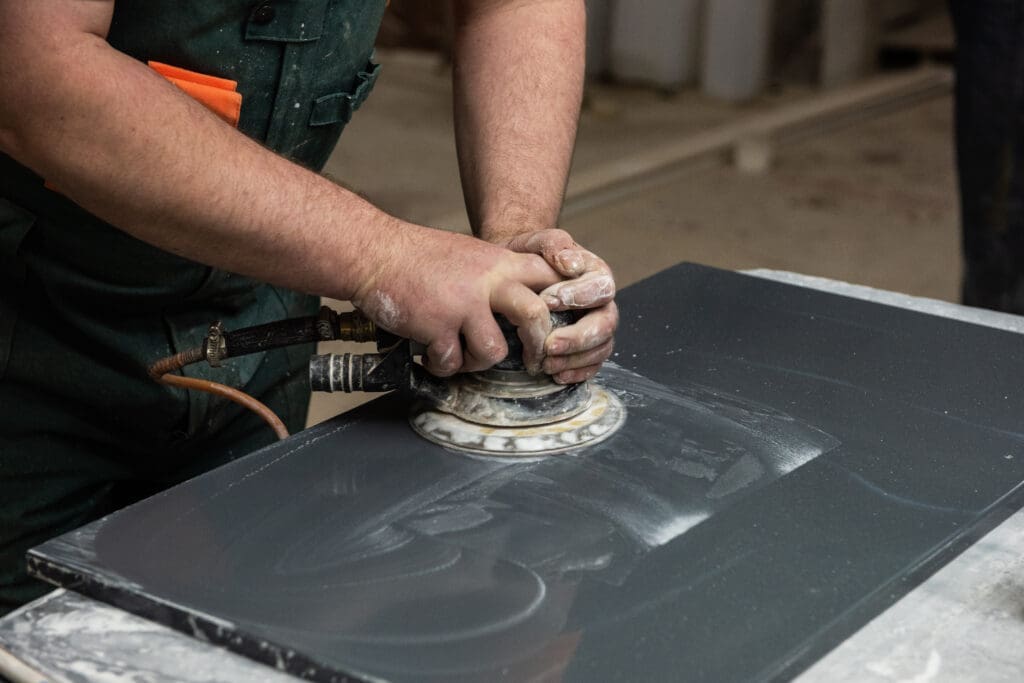
Manufacturing
sanding, grinding, cutting, and finishing

Metalworking
abrasive cleaning, grinding, polishing, laser cutting, metalizing, and welding

Food Processing
mixing and packaging operations

Pharmaceutical
processing and packaging environments

Woodworking
furniture production, wood product manufacturing, and school wood shops
If your process generates coarse or heavy particulate, a cyclone collector is often the most straightforward and cost-effective starting point.
We don’t just supply equipment. We evaluate your facility, design the right system, manage installation, and provide ongoing service to keep your dust collection performing over the long term. Whether you need a standalone cyclone, a pre-separator integrated into a larger system, or a complete dust collection solution, we have the experience to get it right.

An industrial cyclone dust collector is a dry centrifugal separation system that removes coarse dust and particulate from an air stream. Dust-laden air enters the collector and spins in a circular pattern. Centrifugal force pushes heavier particles to the outer wall, where they fall into a collection bin. Cleaned air exits through the top of the unit. Because there are no internal moving parts, cyclones are highly durable and require minimal maintenance.
A cyclone dust collector separator is a cyclone unit used to pre-separate coarse dust before air reaches a downstream filter, such as a cartridge or baghouse. By removing bulk particulates early in the system, the separator reduces the load on high-efficiency filters, extending their life and improving overall system performance.
Cyclones are best suited for coarse or heavy dust where high filtration efficiency isn’t the primary requirement. They’re also commonly used as pre-separators upstream of cartridge or baghouse systems. If your process generates fine particulate or requires strict air quality control, a cyclone alone may not be sufficient, but it can still play an important role in a multi-stage system.
Air Purifiers Inc. offers cyclone dust collectors in sizes ranging from 800 CFM to 12,000 CFM. The right size depends on your airflow requirements, duct layout, and the volume and type of dust your process generates. We can help you determine the correct sizing during a free on-site evaluation.
Yes. Cyclones integrate well with existing cartridge or baghouse systems as pre-separators. Adding a cyclone upstream of your current collector can reduce filter wear and extend maintenance intervals. Our team can assess your existing system and recommend the best approach to integration.


